
No Wrong Path #1
Our face of the women's game in this first edition is Dr David McHugh, Director of Mental Performance at Washington Spirit.
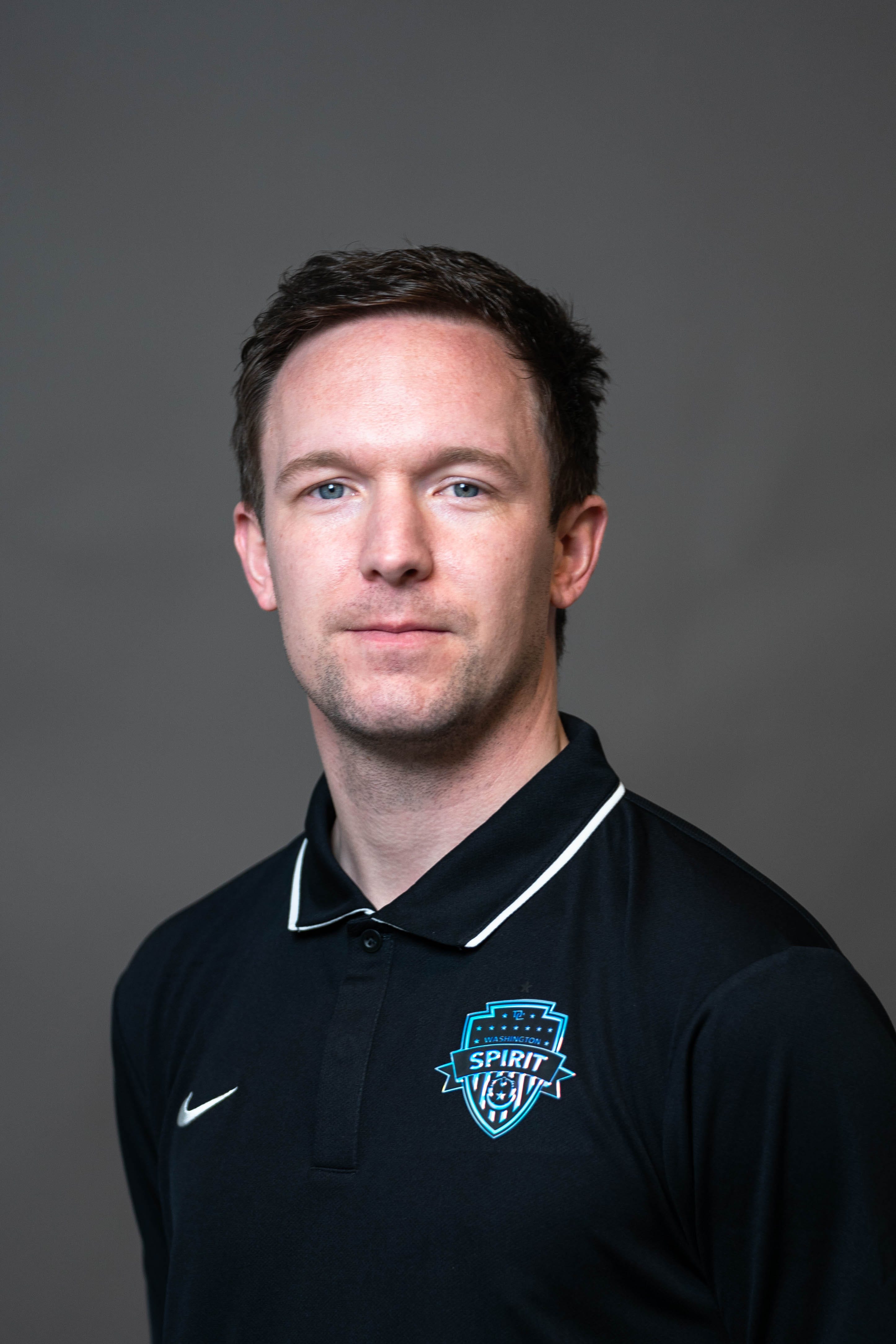
Shaping the Spirit
As the NWSL continues to be recognised as one of the fastest-growing professional women’s football leagues, we’re spotlighting a leader shaping its high-performance environments from the inside out. At Formation, we’re inspired by people who elevate the women’s game through expertise, care, and a commitment to continuous improvement. Dr David McHugh, Director of Mental Performance at Washington Spirit, is one of them.
Originally from Athlone, Ireland, David brings a rare blend of applied sport psychology and elite coaching experience to the NWSL. Now in his third season with the Spirit, he has helped embed the mental, cultural, and relational foundations that underpin one of the league’s standout teams. With a Professional Doctorate in Sport and Exercise Psychology and a UEFA A Elite Coaching License, he approaches performance as a holistic ecosystem — one where players, staff, and environment evolve together.
David’s work sits at the centre of the Spirit’s identity and daily rhythm, contributing to their second-place finish in this year’s regular season and the continued development of the club’s performance culture.
In this conversation, he reflects on the experiences that shaped his path, the philosophy behind his work, and the evolving future of mental performance in the women’s game.
⚽ Kickoff
David, tell us about yourself and what first sparked your ambition to work in the women’s game?
When I was a teenager, I used to go to my sister’s Gaelic football and hockey games. She was involved in several sports, and I wanted to support and encourage her.
I remember her asking me one day why there were no women’s sports teams on TV and I didn’t have an answer. Seeing her dedication and the effort she put in always kept me interested in women’s sport in general.
Later, when I had the opportunity to coach a women’s college football team, I took it as a chance to support people like my younger sister. At the time, I was coaching a few boys’ teams in the FAI’s Emerging Talent Programme and was offered the opportunity to work with the women’s Emerging Talent Programme as well.
💼 Background & Experience
How did your career path unfold in women’s football? Were there any defining moments or turning points along the way?
A defining moment was being given the opportunity to work with an U19 team in Ireland. Athlone Town’s senior women’s team was relatively new to the league, so there was a young squad and a big overlap of players between the first team and the U19s.
We had a really strong group of players, and this led to the U19 team being regularly integrated into first-team training sessions. Over time, I began leading many of the first-team sessions myself.
We had a successful season with the U19s, and many of those players went on to play with the first team or other clubs in the league. The following year, I worked exclusively with the first team and was involved in bringing some of the first players from the U.S. into the squad. This opened the door for several American players to join the club, and it’s been great to see how the team has progressed since.
Another defining moment came after I wrote an academic paper on integrating mental skills within the training week. I hold a PhD in Sport Psychology as well as my coaching badges, and that paper was published just a month or two before the Washington Spirit advertised for a Director of Mental Performance.
I applied, presented my ideas to the new Performance Director, Dawn Scott, and was fortunate to be offered the role. It all came together through a combination of education, timing, and an early commitment to working in the women’s game.
What career lesson or skill has had the biggest impact on your approach to high performance and player development?
My training as a sport psychologist. Football is, at its core, a people business; but it’s also a highly complex environment. My background in psychology helps me not just as a psychologist but as a coach too.
I see a football club as a layered system. At the center are the players, then the coaching and support staff, then ownership, the league, and the broader team environment. Surrounding that is the national and cultural context.
Many people think of sport psychology as one-to-one work with athletes and that’s part of it, but the most effective work I’ve done has often been at the outer layers of that system. That might include delivering interventions with supporters’ groups to strengthen connection with players, working with the coach on weekly messaging, facilitating team building exercises in pre-season to build trust, or preparing for psychological pressure moments like being ahead, behind, or drawing.
When an athlete experiences a problem, it’s rarely an isolated individual issue; it’s usually systemic. Sport psychology helps me see the full system and identify the right level for intervention.
🛋️ Daily Life & Control
What does a typical week look like in your role, and which parts of your work do you find most rewarding or most challenging, and why?
A typical week runs from game to game. After a match, we usually have a recovery day where players who played limited minutes complete a training session. This day provides a chance to debrief, reset emotionally, and prepare for the next cycle.
I often lead progressive muscle relaxation as part of the recovery protocol and encourage players to plan how they can make the most of their 1.5 days off. The day off that follows is just as important for staff as for players.
When we return, I’m already thinking about both the previous match and the upcoming one. Messaging becomes key as we refocus. Each morning starts with a multidisciplinary team (MDT) meeting, followed by planning discussions with the coach.
On that first day, I often highlight any psychological priorities for the week ahead. We then move into our team meeting, training, and gym sessions. After training, I meet players individually sometimes in scheduled sessions, other times ad hoc to address specific needs. I also make it a point to spend time at lunch with staff and players, as informal conversations are often the most revealing.
As the week progresses, our daily structure stays consistent but the objectives shift based on the match-day cycle. We also adjust mental demands accordingly. Closer to match day, we reduce players’ cognitive load and focus more on injured players, for whom this period can be especially challenging.
The key to the role is thinking ahead and having a season-long plan for when certain themes or interventions are most effective—team building in pre-season and mid-season breaks, for example, versus integration into busy match weeks.
Ultimately, the relationship with the head coach is central: they set the psychological tone for the week, and supporting their communication and leadership helps the entire team.
💡 Future & Inspiration
Where do you see the women’s game and the role of mental performance in five years? How do you hope to contribute to that progress?
In the women’s game, I think we’ll see an increasing focus on female health and the application of research that already exists around the needs of female athletes. I’ve seen the work first hand of practitioners like Dawn Scott and Kirsty Hicks in this area.
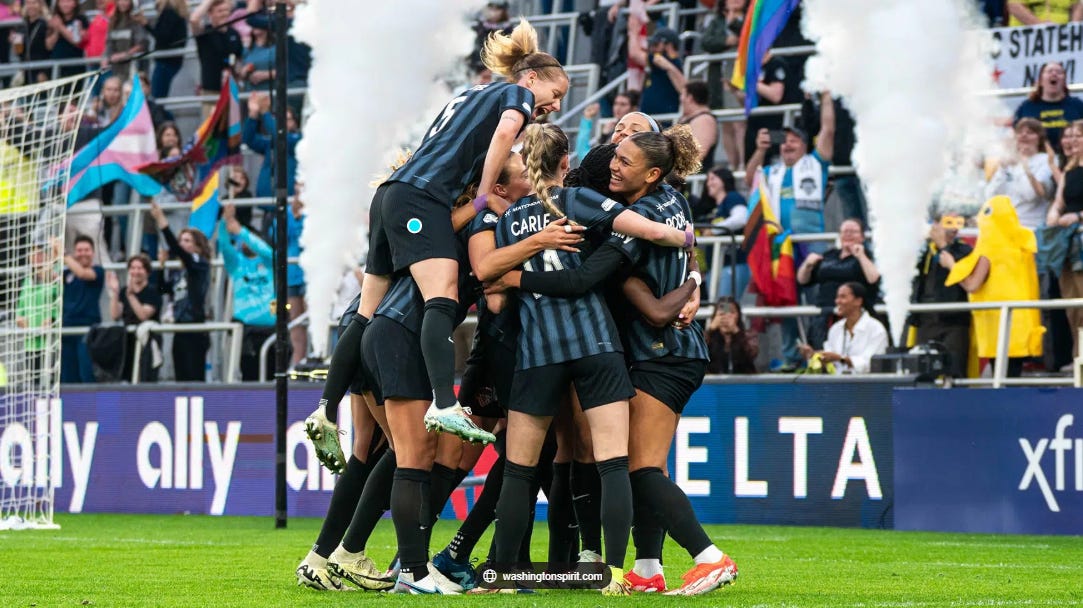
From a business perspective, the game is evolving rapidly, and women’s clubs are becoming increasingly visible as brands. The fan experience is distinct from the men’s game, and that difference should be embraced.
Teams that create a strong, authentic identity one that reflects their community and the unique nature of the women’s game will attract both players and fans. Sponsors will also rally behind these authentic stories.
As for mental performance, I see two main developments:
1. Integration: Mental performance coaches will increasingly need to understand the game itself. The best practitioners will be able to coach, allowing for deeper integration with the technical and tactical aspects of football. It’s impossible to separate the game’s physical, mental, and tactical components.
2. Technology: In other sports, such as baseball, camera systems are used to analyze facial expressions and body language. This technology will eventually reach football, offering a new layer of behavioural data such as tracking head movements to study scanning behaviour. Practitioners who can interpret this data will gain powerful insights into human performance.
There’s no single route into the women’s game. If David’s path resonated, share it with someone finding their own way.
And if you’re open to it, we’d love to hear what’s shaped yours.
Email us at hello@formationgoals.com.